Medical Services
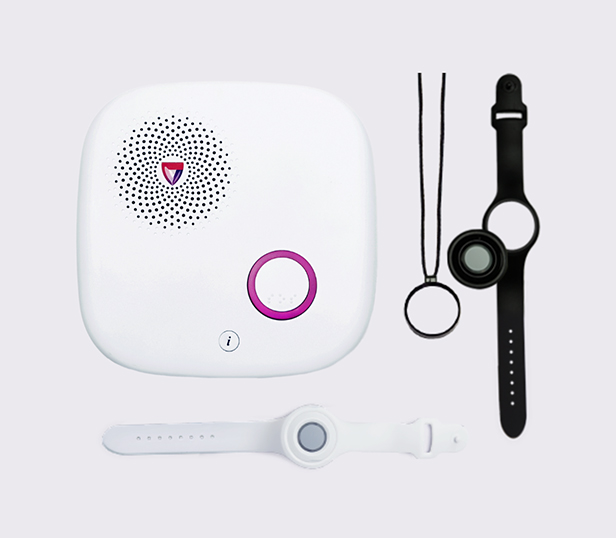
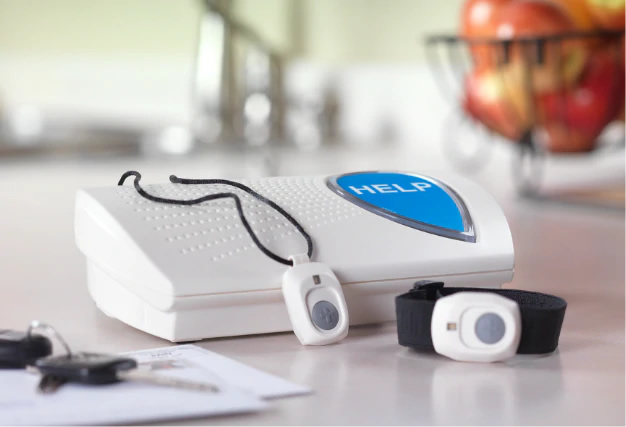
A medical alert works by connecting a user’s wearable button or device to a 24/7 emergency response center, which then assesses the situation and contacts the appropriate help, such as emergency services, family, or caregivers. The system typically uses a help button, which can be activated manually or automatically if a fall is detected. The center uses two-way communication to confirm if help is needed and can dispatch emergency personnel or notify designated contacts.
The National Council on Aging (NCOA)
The National Council on Aging (NCOA) +5
How a medical alert system works step-by-step
Activation: The user presses the button on their wearable pendant, bracelet, or other device, or the device automatically triggers a call if it detects a fall.
Signal sent: The device sends a signal to a monitoring center staffed by trained professionals 24/7.
Two-way communication: The response center operator uses a two-way speaker to talk to the user and assess the situation.
Dispatching help: The operator dispatches the appropriate help based on the user’s needs, which could be emergency medical services, a family member, or a caregiver.
Follow-up: If the user does not respond, or in a clear emergency, the operator will proceed with dispatching professional help. The operator also typically notifies designated loved ones or caregivers about the incident.
The National Council on Aging (NCOA)
The National Council on Aging (NCOA) +6
Key Features
Wearable technology: Devices are typically wearable pendants or wristbands, making them always accessible.
Automatic fall detection: Many systems include automatic fall detection, which can trigger an alarm even if the user is unable to press the button themselves.
24/7/365 monitoring: The response centers are always staffed, so there is a trained professional available at any time of day or night.
Monitored vs. unmonitored: Most systems are monitored, meaning they connect to a call center. Unmonitored systems may be pre-programmed to call 911 or a specific contact directly.